' points='149.931 95.546 300.09 95.546 300.09 53.076 149.931 53.076'%3E%3C/polygon%3E%3Cpolygon id='Fill-7' fill='%23ef7d00' mask='url(%23mask-2)' points='203.559 148.622 246.465 148.622 246.465 0 203.559 0'%3E%3C/polygon%3E%3Cpolygon id='Fill-8' fill='%23d46317' mask='url(%23mask-2)' points='203.557 95.546 246.466 95.546 246.466 53.076 203.557 53.076'%3E%3C/polygon%3E%3Cpolygon id='Fill-9' fill='%237f5ca3' mask='url(%23mask-2)' points='419.6854 141.8702 313.5064 36.7782 343.8494 6.7502 450.0244 111.8412'%3E%3C/polygon%3E%3Cpolygon id='Fill-10' fill='%23e73331' mask='url(%23mask-2)' points='450.0258 36.7796 343.8468 141.8716 313.5078 111.8396 419.6868 6.7506'%3E%3C/polygon%3E%3Cpolygon id='Fill-11' fill='%238a2e35' mask='url(%23mask-2)' points='412.1074 74.3099 381.7654 104.3419 351.4254 74.3099 381.7684 44.2809'%3E%3C/polygon%3E%3Cpolygon id='Fill-12' fill='%232faadc' mask='url(%23mask-2)' points='0 36.782 106.176 141.874 136.518 111.842 30.339 6.753'%3E%3C/polygon%3E%3Cpolygon id='Fill-13' fill='%2395c11f' mask='url(%23mask-2)' points='0 111.8426 30.339 141.8746 136.518 36.7826 106.176 6.7536'%3E%3C/polygon%3E%3Cpolygon id='Fill-14' fill='%23009636' mask='url(%23mask-2)' points='98.5997 74.3126 68.2577 104.3446 37.9177 74.3126 68.2607 44.2836'%3E%3C/polygon%3E%3Cpath d='M513.2454,127.7109 L513.2454,98.5999 L507.8214,98.5999 L507.8214,127.3619 C507.8214,132.6109 506.0544,133.8959 502.9304,133.8959 C501.4564,133.8959 499.9244,133.6029 498.8624,133.2539 L498.8624,137.9199 C500.1004,138.2129 501.5754,138.3879 503.2834,138.3879 C510.5354,138.3879 513.2454,134.2459 513.2454,127.7109 L513.2454,127.7109 Z M530.5744,100.7589 C530.5744,98.8339 528.9834,97.3739 527.0394,97.3739 C525.0914,97.3739 523.5004,98.8899 523.5004,100.7589 C523.5004,102.6829 525.0914,104.1989 527.0394,104.1989 C528.9834,104.1989 530.5744,102.6239 530.5744,100.7589 L530.5744,100.7589 Z M524.3854,137.9789 L529.6894,137.9789 L529.6894,108.9839 L524.3854,108.9839 L524.3854,137.9789 Z M547.4314,100.7589 C547.4314,98.8339 545.8404,97.3739 543.9554,97.3739 C542.0084,97.3739 540.4164,98.8899 540.4164,100.7589 C540.4164,102.6829 542.0084,104.1989 543.9554,104.1989 C545.8404,104.1989 547.4314,102.6239 547.4314,100.7589 L547.4314,100.7589 Z M546.5494,141.1889 L546.5494,108.9839 L541.3024,108.9839 L541.3024,141.6539 C541.3024,146.8469 540.2404,148.3629 536.5874,148.3629 C535.3494,148.3629 533.9944,148.0729 532.8724,147.6639 L532.4024,152.2709 C533.5814,152.6229 535.1724,152.7979 536.4684,152.7979 C544.1324,152.7979 546.5494,148.9459 546.5494,141.1889 L546.5494,141.1889 Z M559.4574,131.2699 C557.4534,131.2699 555.8014,132.9039 555.8014,134.8879 C555.8014,136.8719 557.4534,138.5029 559.4574,138.5029 C561.4584,138.5029 563.1094,136.8719 563.1094,134.8879 C563.1094,132.9039 561.4584,131.2699 559.4574,131.2699 L559.4574,131.2699 Z M630.5284,98.5999 L625.1644,98.5999 L618.2664,125.3189 C617.7364,127.4179 617.3234,129.4609 616.9114,131.7379 L616.8514,131.7379 C616.4414,129.3449 615.8494,126.8349 615.2594,124.7949 L607.6584,98.5999 L601.5264,98.5999 L594.1584,124.5609 C593.5124,126.8939 592.9794,129.3449 592.5664,131.8529 L592.5094,131.8529 C592.0974,129.2859 591.6244,126.8939 590.9184,124.2679 L584.1964,98.5999 L578.4204,98.5999 L588.9144,137.9789 L595.3964,137.9789 L602.8244,111.4349 C603.4734,109.1579 603.9434,106.9409 604.2394,104.6669 L604.2964,104.6669 C604.6524,106.8849 605.1214,109.2179 605.7714,111.4919 L613.3754,137.9789 L620.0344,137.9789 L630.5284,98.5999 Z M644.0164,100.7589 C644.0164,98.8339 642.4254,97.3739 640.4804,97.3739 C638.5364,97.3739 636.9444,98.8899 636.9444,100.7589 C636.9444,102.6829 638.5364,104.1989 640.4804,104.1989 C642.4254,104.1989 644.0164,102.6239 644.0164,100.7589 L644.0164,100.7589 Z M637.8304,137.9789 L643.1344,137.9789 L643.1344,108.9839 L637.8304,108.9839 L637.8304,137.9789 Z M660.8764,100.7589 C660.8764,98.8339 659.2824,97.3739 657.3974,97.3739 C655.4534,97.3739 653.8614,98.8899 653.8614,100.7589 C653.8614,102.6829 655.4534,104.1989 657.3974,104.1989 C659.2824,104.1989 660.8764,102.6239 660.8764,100.7589 L660.8764,100.7589 Z M659.9914,141.1889 L659.9914,108.9839 L654.7444,108.9839 L654.7444,141.6539 C654.7444,146.8469 653.6854,148.3629 650.0294,148.3629 C648.7914,148.3629 647.4354,148.0729 646.3174,147.6639 L645.8444,152.2709 C647.0234,152.6229 648.6144,152.7979 649.9124,152.7979 C657.5734,152.7979 659.9914,148.9459 659.9914,141.1889 L659.9914,141.1889 Z M672.8994,131.2699 C670.8944,131.2699 669.2434,132.9039 669.2434,134.8879 C669.2434,136.8719 670.8944,138.5029 672.8994,138.5029 C674.9034,138.5029 676.5544,136.8719 676.5544,134.8879 C676.5544,132.9039 674.9034,131.2699 672.8994,131.2699 L672.8994,131.2699 Z M722.9404,126.1949 C722.9404,122.1089 720.4634,118.0849 714.9234,117.1529 L714.9234,117.0339 C719.2274,115.6929 722.0544,112.0189 722.0544,107.8759 C722.0544,101.9839 717.8694,98.4249 709.1464,98.4249 C704.3724,98.4249 700.3064,98.5409 697.4174,98.5999 L697.4174,137.9789 C701.3084,138.0379 705.1974,138.1539 707.5554,138.1539 C719.9934,138.1539 722.9404,130.9209 722.9404,126.1949 L722.9404,126.1949 Z M716.4574,108.7499 C716.4574,113.0669 712.9784,115.6339 706.4364,115.6339 C705.0214,115.6339 703.9594,115.6339 702.8404,115.5779 L702.8404,102.8579 C704.4324,102.7989 706.3764,102.7419 708.2044,102.7419 C714.6294,102.7419 716.4574,105.2499 716.4574,108.7499 L716.4574,108.7499 Z M717.2804,126.3699 C717.2804,130.6869 714.3934,133.7779 707.9114,133.7779 C705.5504,133.7779 703.8424,133.6619 702.8404,133.4879 L702.8404,119.7199 C703.7824,119.6599 705.8474,119.6599 706.5534,119.6599 C712.6854,119.6599 717.2804,121.2949 717.2804,126.3699 L717.2804,126.3699 Z M732.1954,137.9799 L737.4994,137.9799 L737.4994,95.3909 L732.1954,95.3909 L732.1954,137.9799 Z M754.8854,100.7589 C754.8854,98.8339 753.2944,97.3739 751.3504,97.3739 C749.4054,97.3739 747.8144,98.8899 747.8144,100.7589 C747.8144,102.6829 749.4054,104.1989 751.3504,104.1989 C753.2944,104.1989 754.8854,102.6239 754.8854,100.7589 L754.8854,100.7589 Z M748.6994,137.9789 L754.0034,137.9789 L754.0034,108.9839 L748.6994,108.9839 L748.6994,137.9789 Z M771.7454,100.7589 C771.7454,98.8339 770.1544,97.3739 768.2664,97.3739 C766.3224,97.3739 764.7304,98.8899 764.7304,100.7589 C764.7304,102.6829 766.3224,104.1989 768.2664,104.1989 C770.1544,104.1989 771.7454,102.6239 771.7454,100.7589 L771.7454,100.7589 Z M770.8604,141.1889 L770.8604,108.9839 L765.6134,108.9839 L765.6134,141.6539 C765.6134,146.8469 764.5544,148.3629 760.8984,148.3629 C759.6604,148.3629 758.3054,148.0729 757.1864,147.6639 L756.7134,152.2709 C757.8924,152.6229 759.4834,152.7979 760.7824,152.7979 C768.4434,152.7979 770.8604,148.9459 770.8604,141.1889 L770.8604,141.1889 Z M783.7684,131.2699 C781.7644,131.2699 780.1124,132.9039 780.1124,134.8879 C780.1124,136.8719 781.7644,138.5029 783.7684,138.5029 C785.7724,138.5029 787.4234,136.8719 787.4234,134.8879 C787.4234,132.9039 785.7724,131.2699 783.7684,131.2699 L783.7684,131.2699 Z' id='Fill-15' fill='%2395c11f' mask='url(%23mask-2)'%3E%3C/path%3E%3C/g%3E%3C/g%3E%3C/svg%3E)


“When doors are ajar, I like to kick them wide open.”
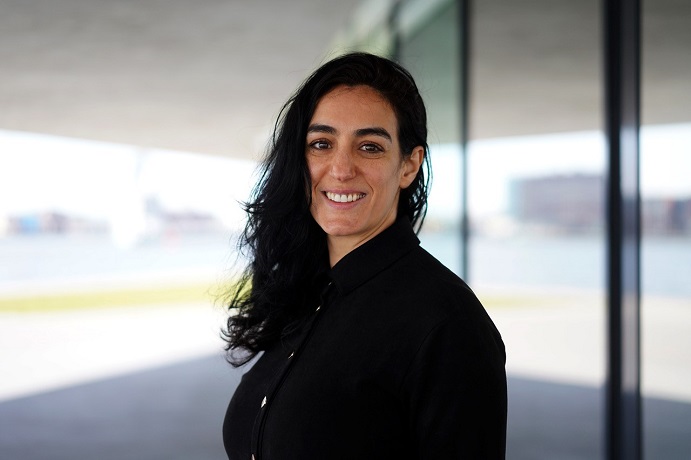
She is a beautiful mix: modest, down-to-earth, helpful, sensitive, and yet very decisive, someone who speaks her mind and is a doer with big dreams. Bojana Duovski is a mover & shaker at Stichting Studiezalen. In the past one and a half years, thanks in part to her, they have gone from two to no less than twenty-three partnerships with companies. What are her secrets to achieving this? How does she shape this? And what does it yield for both parties? Her large brown expressive eyes almost continuously radiate. She speaks with such enthusiasm that she effortlessly takes you into her world. Why would a company want to collaborate with them? Bojana doesn’t have to think long about it. “It would be a loss for them if they don’t. I truly mean that. We build sustainable friendships and really create a bridge to the neighborhood. This way, they can come by or even participate in one of the 47 study rooms, where children receive guidance for a few hours a week. That makes it very tangible. There are even people from Deloitte who occasionally want to come work at our office. So, you’re in such a cool and luxurious office in the Zuidas, where everything is, and then you choose to come work here, in 50 m2 in Nieuw-West. Why? Because they feel more connected to others here. I find that very interesting. And for me, it’s actually a confirmation of the poverty of the rich.”
A switch
It was early 2021. Bojana stopped her business in the event industry, partly due to corona, and went back to herself; what makes me happy and how can I contribute with impact? “At that time, I saw Abdelhamid Idrissi, founder of the Stichting Studiezalen, speaking online. He spoke to me as a person because I saw that he carried a lot. That’s why I offered my help as a sparring partner. The foundation is committed to nurturing the talents of these children and young people in the most vulnerable neighborhoods of Amsterdam and Zaandam, where issues like poverty, language delays, and school dropout occur. Through, among other things, homework assistance, study rooms on various themes, coaching, and workshops. I concluded that the foundation was not financially sustainable each year and then looked at how we could make it financially healthier. For this, I chose the business world because inequality of opportunity is a societal problem for all of us, and they are often focused on sustainable development goals.”
Counterperformance
“Where do you start then? I chose my own network. I gathered a group of people from different companies and said: guys, I’m going to do this, what can you do to contribute? They quickly joined in because we have a good relationship. After that, I also approached other companies. The relationships with them didn’t all come naturally; sometimes it takes quite a few conversations to get on the same page, but when doors are slightly ajar, I like to kick them wide open. We think from the perspective of the children; what do they need? That can involve resources, people, mass, media, or coins. And, I always emphasize what I come to bring. We always offer something in return. Often, that’s the contact with the youth; a target group that companies often struggle to reach. Additionally, we can also provide a lot of advice and content when it comes to integrating social aspects into the values, culture, and strategy of a company.”
Menno de Kuijer, Orange Capital Partners “We are happy to be socially involved in neighborhoods where we are also active with our housing portfolios. By supporting Study Rooms for several years, we hope to contribute to a higher level of education for young people in a safe and quiet environment.
How do you get a CEO on board?
Bojana: “In the meantime, many beautiful collaborations have emerged, with no less than 23 different companies. One of them is Deloitte. Employees dedicate a certain number of hours per year to Study Rooms. For three years. They can choose what they want to do, which could be: working out a case for the organization, leading a creative workshop, or sharing their personal story with the children about the path they took to a good job. Our goal is: a good night’s sleep for every child. If a child sleeps well, we have done our job well. Employment agency Olympia, for example, helps parents on their way to paid work. This indirectly affects the children, but is also necessary. A third example is ABN AMRO. People from this company volunteer as remote buddies. They read with a child, one on one. To promote language development. Both in Dutch and in English. We even know the CEO of ABN AMRO, who indicates in his title on LinkedIn that he is a remote buddy because he finds it so important. How beautiful is that? When both the employee and the top layer in a company embrace a goal and actively engage, it also motivates others.” 
Johan Stuiver, program director WorldClass program Deloitte Our ambitions are focused on students and learners, to help them further develop their talents, future prospects, and position in the labor market. Our colleagues are therefore very enthusiastic to contribute to this with their knowledge and expertise for the Studiezalen foundation. This aligns perfectly.
My own story
“Kansenongelijkheid has been a theme that sticks with me my whole life. I come from exactly such a family. My parents are guest workers from former Yugoslavia, they did not speak the Dutch language sufficiently, and due to the war and the accompanying problems, I could not study. I had to follow a path that was not my first choice. I eventually got there by working very hard, but if only I had had a Study Room back then, it would have made a huge difference for me. My past makes me really feel the mission of the Study Rooms. My message is pure. At the same time, I have worked for years in the profit world, so I also speak the language of companies. The fact that I can resonate on both levels allows me to truly make a connection. I feel blessed to be able to do this. What I find most beautiful is that through collaboration with companies, I really see the talent grow; both here internally with us, and with the children in the study rooms. You can really see that it contributes, that extra opportunities are being created; that is a great gift. And it really cuts both ways. Both parties can learn from each other; as long as we dare to look, dare to listen.”
Why wait?
“I think that in about five to ten years it will be standard for a company to be socially involved. That it will even become a requirement. You already see it often, that ‘social return’ obligation, that a certain percentage of a tender must go back to society. That often involves really large amounts, just try to handle that. So I think there will be no escaping it soon. So companies better get on board now haha! With us or with one of the other 2000 social organizations in the city.”
Bojana’s tips for social organizations:
- Make sure you have a really good and honest story. Even if it’s small, stick to that.
- Be clear about what your needs are and who could help with that.
- Find that one person within a company, a firestarter, who resonates with your story. Don’t focus on the name of a company but on a person.
- Dare to ask. A ‘no’ is perfectly fine, but then inquire about what is possible.
- Be clear at the front and make concrete agreements.
- Work together with other social organizations. Sometimes it seems like everyone is fighting for that small piece of cake, but what if we share…
- Have a little courage and just do it!
Interested?
Are you a company or a social organization and are you also curious about the possibilities of forming a connection?
Volunteers Central Amsterdam is happy to assist you further, for example within ons project Business Involved. Please contact Rachida el Alami: r.elalami@vca.nu/ 06-81431044
Of come to the speed date on December 7.
Text: Linda Slagter
Photo Bojana: Huub Zeeman