' points='149.931 95.546 300.09 95.546 300.09 53.076 149.931 53.076'%3E%3C/polygon%3E%3Cpolygon id='Fill-7' fill='%23ef7d00' mask='url(%23mask-2)' points='203.559 148.622 246.465 148.622 246.465 0 203.559 0'%3E%3C/polygon%3E%3Cpolygon id='Fill-8' fill='%23d46317' mask='url(%23mask-2)' points='203.557 95.546 246.466 95.546 246.466 53.076 203.557 53.076'%3E%3C/polygon%3E%3Cpolygon id='Fill-9' fill='%237f5ca3' mask='url(%23mask-2)' points='419.6854 141.8702 313.5064 36.7782 343.8494 6.7502 450.0244 111.8412'%3E%3C/polygon%3E%3Cpolygon id='Fill-10' fill='%23e73331' mask='url(%23mask-2)' points='450.0258 36.7796 343.8468 141.8716 313.5078 111.8396 419.6868 6.7506'%3E%3C/polygon%3E%3Cpolygon id='Fill-11' fill='%238a2e35' mask='url(%23mask-2)' points='412.1074 74.3099 381.7654 104.3419 351.4254 74.3099 381.7684 44.2809'%3E%3C/polygon%3E%3Cpolygon id='Fill-12' fill='%232faadc' mask='url(%23mask-2)' points='0 36.782 106.176 141.874 136.518 111.842 30.339 6.753'%3E%3C/polygon%3E%3Cpolygon id='Fill-13' fill='%2395c11f' mask='url(%23mask-2)' points='0 111.8426 30.339 141.8746 136.518 36.7826 106.176 6.7536'%3E%3C/polygon%3E%3Cpolygon id='Fill-14' fill='%23009636' mask='url(%23mask-2)' points='98.5997 74.3126 68.2577 104.3446 37.9177 74.3126 68.2607 44.2836'%3E%3C/polygon%3E%3Cpath d='M513.2454,127.7109 L513.2454,98.5999 L507.8214,98.5999 L507.8214,127.3619 C507.8214,132.6109 506.0544,133.8959 502.9304,133.8959 C501.4564,133.8959 499.9244,133.6029 498.8624,133.2539 L498.8624,137.9199 C500.1004,138.2129 501.5754,138.3879 503.2834,138.3879 C510.5354,138.3879 513.2454,134.2459 513.2454,127.7109 L513.2454,127.7109 Z M530.5744,100.7589 C530.5744,98.8339 528.9834,97.3739 527.0394,97.3739 C525.0914,97.3739 523.5004,98.8899 523.5004,100.7589 C523.5004,102.6829 525.0914,104.1989 527.0394,104.1989 C528.9834,104.1989 530.5744,102.6239 530.5744,100.7589 L530.5744,100.7589 Z M524.3854,137.9789 L529.6894,137.9789 L529.6894,108.9839 L524.3854,108.9839 L524.3854,137.9789 Z M547.4314,100.7589 C547.4314,98.8339 545.8404,97.3739 543.9554,97.3739 C542.0084,97.3739 540.4164,98.8899 540.4164,100.7589 C540.4164,102.6829 542.0084,104.1989 543.9554,104.1989 C545.8404,104.1989 547.4314,102.6239 547.4314,100.7589 L547.4314,100.7589 Z M546.5494,141.1889 L546.5494,108.9839 L541.3024,108.9839 L541.3024,141.6539 C541.3024,146.8469 540.2404,148.3629 536.5874,148.3629 C535.3494,148.3629 533.9944,148.0729 532.8724,147.6639 L532.4024,152.2709 C533.5814,152.6229 535.1724,152.7979 536.4684,152.7979 C544.1324,152.7979 546.5494,148.9459 546.5494,141.1889 L546.5494,141.1889 Z M559.4574,131.2699 C557.4534,131.2699 555.8014,132.9039 555.8014,134.8879 C555.8014,136.8719 557.4534,138.5029 559.4574,138.5029 C561.4584,138.5029 563.1094,136.8719 563.1094,134.8879 C563.1094,132.9039 561.4584,131.2699 559.4574,131.2699 L559.4574,131.2699 Z M630.5284,98.5999 L625.1644,98.5999 L618.2664,125.3189 C617.7364,127.4179 617.3234,129.4609 616.9114,131.7379 L616.8514,131.7379 C616.4414,129.3449 615.8494,126.8349 615.2594,124.7949 L607.6584,98.5999 L601.5264,98.5999 L594.1584,124.5609 C593.5124,126.8939 592.9794,129.3449 592.5664,131.8529 L592.5094,131.8529 C592.0974,129.2859 591.6244,126.8939 590.9184,124.2679 L584.1964,98.5999 L578.4204,98.5999 L588.9144,137.9789 L595.3964,137.9789 L602.8244,111.4349 C603.4734,109.1579 603.9434,106.9409 604.2394,104.6669 L604.2964,104.6669 C604.6524,106.8849 605.1214,109.2179 605.7714,111.4919 L613.3754,137.9789 L620.0344,137.9789 L630.5284,98.5999 Z M644.0164,100.7589 C644.0164,98.8339 642.4254,97.3739 640.4804,97.3739 C638.5364,97.3739 636.9444,98.8899 636.9444,100.7589 C636.9444,102.6829 638.5364,104.1989 640.4804,104.1989 C642.4254,104.1989 644.0164,102.6239 644.0164,100.7589 L644.0164,100.7589 Z M637.8304,137.9789 L643.1344,137.9789 L643.1344,108.9839 L637.8304,108.9839 L637.8304,137.9789 Z M660.8764,100.7589 C660.8764,98.8339 659.2824,97.3739 657.3974,97.3739 C655.4534,97.3739 653.8614,98.8899 653.8614,100.7589 C653.8614,102.6829 655.4534,104.1989 657.3974,104.1989 C659.2824,104.1989 660.8764,102.6239 660.8764,100.7589 L660.8764,100.7589 Z M659.9914,141.1889 L659.9914,108.9839 L654.7444,108.9839 L654.7444,141.6539 C654.7444,146.8469 653.6854,148.3629 650.0294,148.3629 C648.7914,148.3629 647.4354,148.0729 646.3174,147.6639 L645.8444,152.2709 C647.0234,152.6229 648.6144,152.7979 649.9124,152.7979 C657.5734,152.7979 659.9914,148.9459 659.9914,141.1889 L659.9914,141.1889 Z M672.8994,131.2699 C670.8944,131.2699 669.2434,132.9039 669.2434,134.8879 C669.2434,136.8719 670.8944,138.5029 672.8994,138.5029 C674.9034,138.5029 676.5544,136.8719 676.5544,134.8879 C676.5544,132.9039 674.9034,131.2699 672.8994,131.2699 L672.8994,131.2699 Z M722.9404,126.1949 C722.9404,122.1089 720.4634,118.0849 714.9234,117.1529 L714.9234,117.0339 C719.2274,115.6929 722.0544,112.0189 722.0544,107.8759 C722.0544,101.9839 717.8694,98.4249 709.1464,98.4249 C704.3724,98.4249 700.3064,98.5409 697.4174,98.5999 L697.4174,137.9789 C701.3084,138.0379 705.1974,138.1539 707.5554,138.1539 C719.9934,138.1539 722.9404,130.9209 722.9404,126.1949 L722.9404,126.1949 Z M716.4574,108.7499 C716.4574,113.0669 712.9784,115.6339 706.4364,115.6339 C705.0214,115.6339 703.9594,115.6339 702.8404,115.5779 L702.8404,102.8579 C704.4324,102.7989 706.3764,102.7419 708.2044,102.7419 C714.6294,102.7419 716.4574,105.2499 716.4574,108.7499 L716.4574,108.7499 Z M717.2804,126.3699 C717.2804,130.6869 714.3934,133.7779 707.9114,133.7779 C705.5504,133.7779 703.8424,133.6619 702.8404,133.4879 L702.8404,119.7199 C703.7824,119.6599 705.8474,119.6599 706.5534,119.6599 C712.6854,119.6599 717.2804,121.2949 717.2804,126.3699 L717.2804,126.3699 Z M732.1954,137.9799 L737.4994,137.9799 L737.4994,95.3909 L732.1954,95.3909 L732.1954,137.9799 Z M754.8854,100.7589 C754.8854,98.8339 753.2944,97.3739 751.3504,97.3739 C749.4054,97.3739 747.8144,98.8899 747.8144,100.7589 C747.8144,102.6829 749.4054,104.1989 751.3504,104.1989 C753.2944,104.1989 754.8854,102.6239 754.8854,100.7589 L754.8854,100.7589 Z M748.6994,137.9789 L754.0034,137.9789 L754.0034,108.9839 L748.6994,108.9839 L748.6994,137.9789 Z M771.7454,100.7589 C771.7454,98.8339 770.1544,97.3739 768.2664,97.3739 C766.3224,97.3739 764.7304,98.8899 764.7304,100.7589 C764.7304,102.6829 766.3224,104.1989 768.2664,104.1989 C770.1544,104.1989 771.7454,102.6239 771.7454,100.7589 L771.7454,100.7589 Z M770.8604,141.1889 L770.8604,108.9839 L765.6134,108.9839 L765.6134,141.6539 C765.6134,146.8469 764.5544,148.3629 760.8984,148.3629 C759.6604,148.3629 758.3054,148.0729 757.1864,147.6639 L756.7134,152.2709 C757.8924,152.6229 759.4834,152.7979 760.7824,152.7979 C768.4434,152.7979 770.8604,148.9459 770.8604,141.1889 L770.8604,141.1889 Z M783.7684,131.2699 C781.7644,131.2699 780.1124,132.9039 780.1124,134.8879 C780.1124,136.8719 781.7644,138.5029 783.7684,138.5029 C785.7724,138.5029 787.4234,136.8719 787.4234,134.8879 C787.4234,132.9039 785.7724,131.2699 783.7684,131.2699 L783.7684,131.2699 Z' id='Fill-15' fill='%232faadc' mask='url(%23mask-2)'%3E%3C/path%3E%3C/g%3E%3C/g%3E%3C/svg%3E)


Tailored volunteer work: how Children’s Farm De Werf encourages more people to participate
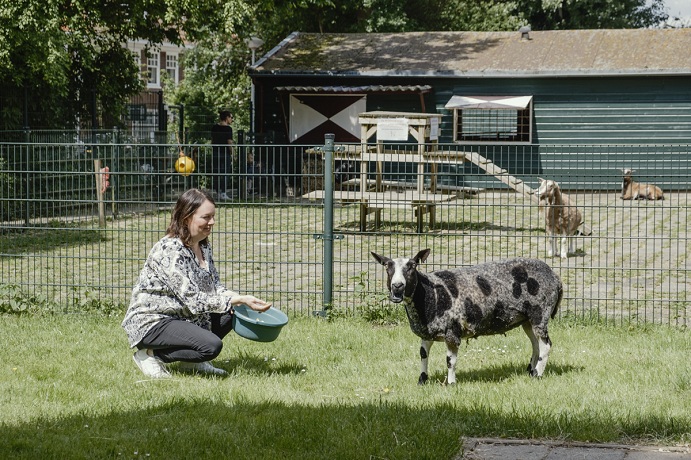
How do you ensure that volunteer work aligns with the possibilities and needs of as many people as possible? At Kinderboerderij De Werf in Watergraafsmeer, chairperson Gitta Bessem demonstrates how flexibility, personal attention, and creativity can provide more people the opportunity to participate.
The challenge: providing space for different people
To obtain a quality mark, De Werf had to adjust its handling and care of animals. This made Gitta think: what is the role of a children’s farm today? And what else can we contribute to the neighborhood, besides nature and environmental education?
Gitta has a clear mission: to promote inclusivity. By empowering volunteers and adapting the organization to their wishes and needs, she aims to provide as many people as possible with a suitable workplace. This way, more people get the chance to participate in society. At the children’s farm, she saw opportunities to put that vision into practice.
The approach: adapt the work to the volunteer
By not only looking at what needs to be done, but especially at what someone can and needs, more people can contribute. This sometimes requires small, practical adjustments:
- Tailored guidance
An important change was that two permanent employees took on a different role. They are now focusing more on the individual support of volunteers. They assess which tasks suit someone and how the work can be tailored to that, without compromising its quality.
- Make instructions accessible.
When it became clear that a volunteer was struggling with written work processes, the instructions were adjusted with photos, icons, and shorter texts.
- Flexibility in the schedule
Volunteers can be scheduled in excess. This allows for a task to be ended earlier when it becomes too heavy or takes longer than someone can handle.
- Investing in mutual contact
The breaks are spent together as much as possible. This way, there is attention for each other and space for meeting.
- Attention to accessibility
When De Werf was also used as a polling station, accessibility was tested at 172 points. Minor adjustments were needed at three points. This made the farm more accessible for volunteers with mobility limitations.
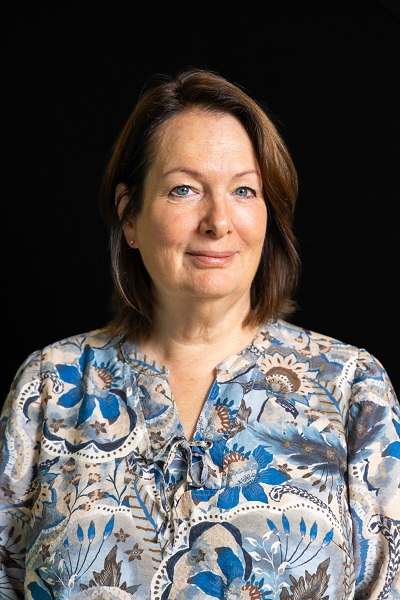
Gitta Bessem, chairwoman of Children’s Farm De Werf
The yield: from meeting place to place of connection
Due to this development, De Werf has become more than a children’s farm. It is also a place where people can go for informal care and where connections in the neighborhood are formed. Gitta has given this neighborhood function a place within the local network of formal and informal care organizations.
For volunteers, De Werf is a place to be outdoors, to have a purpose, and to connect with the animals in peace. They can discover at their own pace what suits them and enjoy time with others. Volunteers are given the space to participate in a way that suits them, while the organization and the neighborhood benefit from the different talents and experiences that people bring.
Tips from Gitta for other organizations
- Look at what someone needs. Listen carefully to volunteers and adjust the work and tasks to their capabilities and needs.
- Dare to let go of existing practices. With a little creativity, more is possible than you think.
- Make personal guidance a part of your organization. An inclusive organization not only asks something from volunteers but also from employees and the way work is organized.
More experiences and tips from practice
In this series, professionals from social organizations in Amsterdam share their experiences, insights, and tips. For inspiration and to get started yourself!
Do you want to brainstorm, have a question, or could you use some advice? Our advisors are happy to think along with you!
Text: Minke Huisman